
Acrylic vs Stainless Steel Signage: Which Is Best?
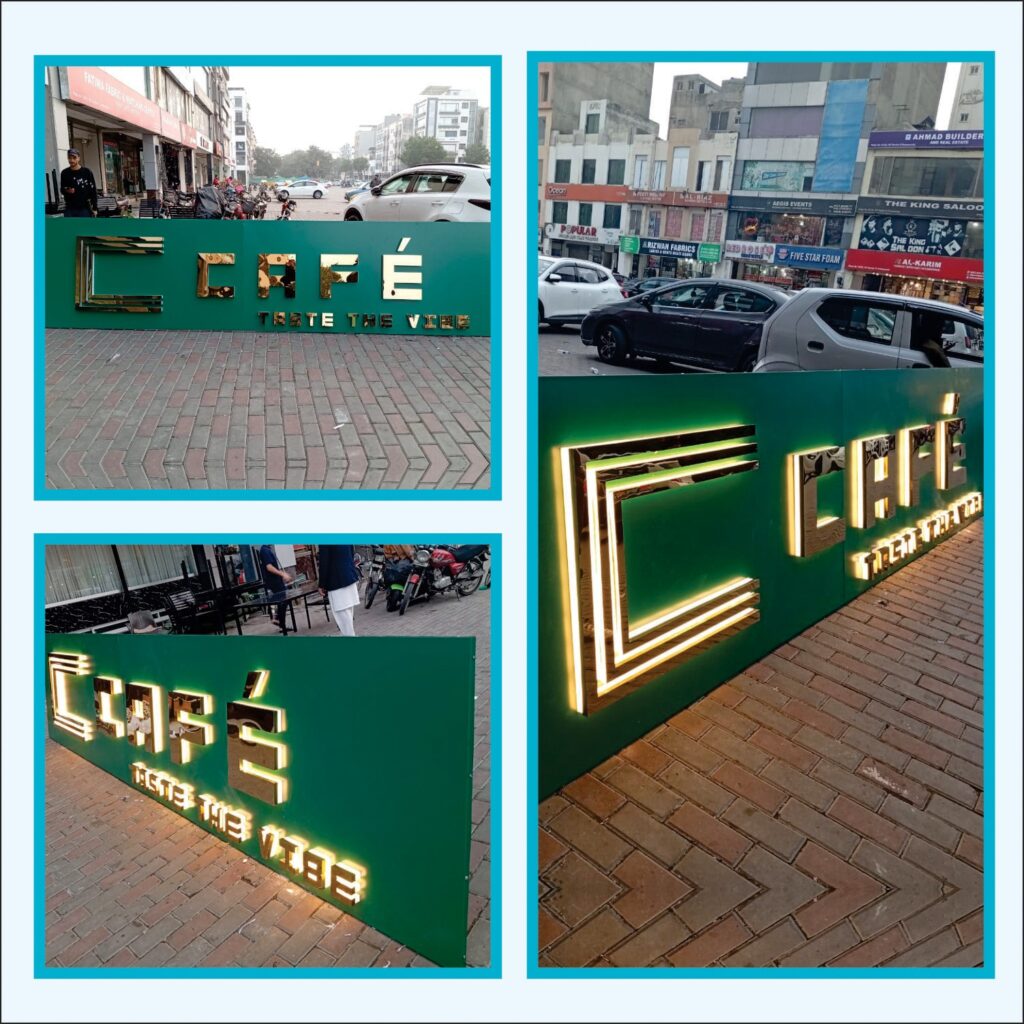
Choosing the right signage material is an important decision for any business. Your sign is often the first thing customers notice when they visit your shop, office, showroom, restaurant, or commercial building. The right signage can strengthen your brand identity, improve visibility, and create a lasting impression on potential customers.
When comparing acrylic vs stainless steel signage, both materials offer unique advantages. Acrylic signage is known for its lightweight construction, versatile designs, vibrant colours, and excellent lighting effects. Stainless steel signage, on the other hand, offers a premium metallic appearance, strength, and durability.
At Zafar Sons Advertiser, choosing the right signage solution starts with understanding your business needs, branding goals, installation environment, and budget.
In this guide, we will compare acrylic and stainless steel signage in terms of appearance, durability, cost, maintenance, lighting, and applications to help you select the best option for your business.
What Is Acrylic Signage?Acrylic signage is made from a versatile plastic material that can be cut, shaped, printed, and finished in different styles. It is widely used in modern commercial signage because it offers excellent design flexibility and works well with illuminated displays.
Acrylic is available in transparent, translucent, frosted, opaque, and coloured finishes. These options make it suitable for businesses looking for modern, attractive, and customised signage.
Benefits of Acrylic Signage
1. Modern and attractive appearance
Acrylic signs offer a smooth, polished finish that complements contemporary business branding. Different colours, thicknesses, and finishes allow businesses to create signage that matches their brand identity.
2. Excellent lighting effects
Acrylic is widely used in illuminated sign boards because it allows light to pass through its surface. It works particularly well with LED lighting in storefront signs, lightboxes, and illuminated letters.
3. Lightweight construction
Acrylic is generally lighter than stainless steel, making it easier to handle and install in many applications, particularly indoor signs and wall-mounted logos.
4. Flexible design options
Acrylic can be cut into custom letters, logos, symbols, and shapes. This makes it a practical choice for businesses that want distinctive signage designs.
5. Suitable for different business environments
Acrylic signage is commonly used in retail stores, offices, restaurants, clinics, salons, and showrooms. With the appropriate material grade and installation, it can also be used for selected outdoor applications.
If your business needs colourful or illuminated displays, explore our LED sign board solutions to discover options for modern commercial branding.
Limitations of Acrylic Signage
Although acrylic offers several advantages, it also has some limitations:
- It can scratch more easily than many metal surfaces.
- Some grades may deteriorate or discolour with prolonged UV exposure.
- It can crack under significant impact.
- Outdoor performance depends on material quality, installation, and maintenance.
Acrylic signage is particularly suitable when design flexibility, illumination, and visual appeal are the main priorities.
What Is Stainless Steel Signage?
Stainless steel signage is made from a corrosion-resistant metal alloy commonly used for premium business signs, dimensional lettering, corporate logos, building identification, and architectural branding.
It is a popular choice for corporate offices, luxury retail stores, hotels, restaurants, property developers, and professional service providers.
Stainless steel signs are available in various finishes, including brushed silver, mirror polish, matte, and decorative metallic finishes.
Benefits of Stainless Steel Signage
1. Premium and professional appearance
Stainless steel creates a sophisticated metallic finish that can communicate professionalism and quality. It is particularly suitable for corporate reception areas, premium showrooms, and commercial buildings.
2. Strong and durable construction
Stainless steel provides excellent structural strength and is often selected for long-term signage installations.
3. Corrosion resistance
Stainless steel offers good resistance to corrosion, although performance depends on the steel grade, environmental conditions, and maintenance.
4. Long-term branding
For businesses that want permanent-looking signage, stainless steel can provide a durable and professional solution when properly specified and installed.
5. Multiple finishing options
Brushed, polished, and decorative finishes provide flexibility for businesses that want their signs to match their brand colours and interior design.
Limitations of Stainless Steel Signage
Stainless steel also has some considerations:
- It generally costs more than basic acrylic signage.
- Fabrication may require specialised equipment and skilled workmanship.
- It is generally heavier than acrylic.
- Polished surfaces can show fingerprints, water marks, and scratches.
- It does not transmit light like acrylic, so illuminated designs require additional lighting techniques.
Stainless steel is an excellent option when a premium metallic appearance, strength, and professional branding are important.
Acrylic vs Stainless Steel Signage: Key Differences
Understanding the differences between these materials can help you make the right investment for your business.
| Feature | Acrylic Signage | Stainless Steel Signage |
|---|---|---|
| Appearance | Modern, smooth, colourful | Premium, metallic, sophisticated |
| Weight | Generally lightweight | Generally heavier |
| Design flexibility | Excellent for colours and custom shapes | Excellent for metal lettering and refined finishes |
| Lighting | Ideal for illuminated sign faces | Suitable for backlit and halo-lit effects |
| Durability | Depends on grade and exposure | Generally very durable with suitable grade and care |
| Scratch resistance | Can scratch relatively easily | Depends on the finish |
| Maintenance | Gentle cleaning recommended | Regular cleaning helps maintain the finish |
| Initial cost | Often more affordable | Generally more expensive |
| Best applications | Lightboxes, retail signs, illuminated logos | Corporate lettering, premium signs, plaques |
The right material depends on your business requirements, design preferences, installation location, and budget.
For businesses comparing different signage styles, our 3D sign board solutions can also help you explore dimensional lettering and branding options.
1. Appearance: Which Signage Material Looks Better?
Your business sign plays an important role in shaping customers’ first impressions.
Acrylic signage is ideal for businesses that want bright colours, smooth surfaces, creative shapes, and illuminated lettering. It works particularly well for retail shops, cafés, restaurants, salons, and modern offices.
Stainless steel signage creates a more solid and sophisticated appearance. Its metallic finish complements corporate offices, luxury showrooms, hotels, and professional buildings.
Which should you choose?
Choose acrylic if your brand relies on colour, lighting, and creative visual elements. Choose stainless steel if you prefer a refined metallic appearance that communicates professionalism and permanence.
2. Durability: Which Material Lasts Longer?
Durability is an important consideration when investing in business signage, particularly for outdoor installations.
Acrylic can provide good service life when the correct grade is selected and the sign is installed properly. However, UV exposure, impact, and poor maintenance can affect its appearance over time.
Stainless steel is generally a durable option for long-term metallic signage. Its corrosion resistance depends on the selected grade and the environmental conditions in which it is installed.
For outdoor signs, businesses should also consider mounting systems, supporting structures, weather exposure, and cleaning requirements.
Which should you choose?
Stainless steel is often a strong choice for durable metallic lettering. Acrylic is suitable when the design requires illumination, colour, or a lightweight construction.
3. Cost: Is Acrylic or Stainless Steel More Affordable?
The cost of signage depends on material, dimensions, thickness, design complexity, fabrication, lighting, and installation.
Acrylic signage is often more affordable for basic lettering, indoor logos, and illuminated sign faces. However, complex acrylic designs and LED installations can also require a significant investment.
Stainless steel generally has a higher initial cost because of the material and fabrication requirements. Intricate lettering, specialised finishes, and difficult installations can increase the price further.
When comparing quotations, make sure you compare similar sizes, material specifications, finishes, lighting systems, and installation services.
Which should you choose?
Acrylic may be a practical choice for businesses working with a limited budget. Stainless steel may be worth the investment when a premium appearance and durable metallic construction are priorities.
For more information about signage options for your business, explore our sign board solutions and discuss your project requirements with Zafar Sons Advertiser.
4. Lighting: Which Material Is Better for Illuminated Signs?
Lighting can improve sign visibility, especially in busy commercial areas and locations where customers visit after dark.
Acrylic is commonly used for front-lit signage because it allows light to pass through its surface. When combined with properly positioned LED modules, it can produce bright and attractive illuminated lettering.
Stainless steel is opaque, meaning light cannot pass through the metal itself. However, stainless steel letters can be designed with backlighting to create a halo effect around the lettering.
Acrylic faces can also be combined with metal sides to create illuminated three-dimensional letters.
Which should you choose?
- Choose acrylic for front-lit letters, illuminated logos, and lightboxes.
- Choose stainless steel for premium non-illuminated lettering or halo-lit effects.
- Combine both materials when you want illumination with a premium metallic finish.
The final result depends on the sign’s construction, LED quality, and installation.
5. Maintenance: Which Sign Is Easier to Maintain?
Regular cleaning helps maintain the professional appearance of your business signage.
Acrylic signs should be cleaned with a soft cloth and a cleaner suitable for acrylic surfaces. Abrasive pads and unsuitable solvents may damage the material.
Stainless steel signs can generally be cleaned with a soft cloth and an appropriate mild cleaner. Special finishes may require specific cleaning methods to avoid marks and scratches.
For illuminated signs, electrical components, seals, and mounting points should also be inspected when necessary.
Both materials can be relatively easy to maintain when properly installed. The best choice depends on the sign’s finish, location, and exposure to environmental conditions.
6. Best Applications: Where Should You Use Each Material?
Different businesses have different signage requirements. The following applications can help you determine which material may suit your project.
Best Uses for Acrylic Signage
Acrylic signage is suitable for:
- Retail shop signs and illuminated storefront lettering.
- Office reception logos and interior branding.
- Restaurant and café signage.
- LED lightboxes and illuminated displays.
- Salon, clinic, and showroom signs.
- Indoor directional signs and identification panels.
Its versatility makes it a practical choice for businesses looking for modern, colourful, or illuminated branding.
Best Uses for Stainless Steel Signage
Stainless steel signage is commonly used for:
- Corporate office signs and reception lettering.
- Hotel and luxury retail signage.
- Building entrance signs and identification plaques.
- Premium showroom branding.
- Three-dimensional metal letters and logos.
- Architectural signage for commercial properties.
It is particularly suitable when professional presentation, a metallic finish, and long-term installation are important.
If your project involves additional storefront visibility, you can also explore our neon sign board solutions for suitable illuminated branding applications.
7. Can You Combine Acrylic and Stainless Steel Signage?
Yes. Combining acrylic and stainless steel can provide the benefits of both materials in one design.
For example, a business can use stainless steel sides or decorative borders with an acrylic face to create illuminated letters. Stainless steel lettering can also be mounted on acrylic panels to add depth and contrast.
This combination is particularly useful for:
- Corporate reception walls.
- Luxury retail storefronts.
- Hotel entrance signage.
- Restaurant branding.
- Modern office buildings.
A combined design can deliver a premium appearance while maintaining the lighting flexibility of acrylic. Professional fabrication and suitable mounting methods are important for achieving the desired result.
8. How to Choose the Right Signage Material for Your Business
Before ordering a sign, consider the following factors.
Identify the Purpose of Your Sign
Decide whether you need a storefront sign, reception logo, directional sign, illuminated advertisement, or building identification panel.
Set Your Budget
Consider the cost of fabrication, lighting, installation, and future maintenance. Compare complete quotations rather than choosing a supplier based only on material price.
Consider the Installation Environment
Indoor and outdoor signs face different conditions. For exterior installations, consider sunlight, rain, heat, wind, dust, and mounting requirements.
Match the Material to Your Brand Identity
Your signage should reflect your business personality. Bright and colourful designs may benefit from acrylic, while premium metallic lettering may suit formal corporate branding.
Choose an Experienced Signage Company
An experienced signage provider can help you evaluate materials, finishes, dimensions, illumination, and installation methods.
Zafar Sons Advertiser can be a starting point for discussing your business signage requirements and exploring options that match your branding goals.
Why Choose Zafar Sons Advertiser for Business Signage?
Selecting a suitable signage material is only one part of creating effective business branding. The quality of fabrication, finishing, lighting, and installation also influences the final result.
Zafar Sons Advertiser focuses on signage and advertising solutions for businesses looking to improve their visual identity and commercial presence.
When planning a signage project, consider the following:
- Material selection: Choose materials that match your design, budget, and installation environment.
- Professional presentation: Ensure that lettering, colours, spacing, and finishes complement your brand.
- Lighting requirements: Select suitable illumination for your storefront, reception area, or commercial display.
- Installation planning: Consider the mounting surface, weather exposure, and long-term maintenance.
- Brand consistency: Use signage that aligns with your existing logo and business identity.
Whether you are planning a new storefront, upgrading an office reception, or developing a commercial branding project, contact Zafar Sons Advertiser to discuss your requirements and explore suitable signage options.
Conclusion: Acrylic vs Stainless Steel Signage — Which Is Right for You?
Both acrylic and stainless steel signage offer valuable advantages, but the right choice depends on your business needs.
Acrylic signage is an excellent option for colourful designs, illuminated lettering, lightweight construction, and creative branding. Stainless steel signage is ideal for premium metallic finishes, professional corporate lettering, and durable business identification.
If you want an illuminated storefront sign, acrylic may be the better starting point. If you need sophisticated metallic lettering or a durable premium finish, stainless steel may be more appropriate. For projects that require both illumination and a high-end appearance, combining the two materials can deliver an attractive result.
At Zafar Sons Advertiser, businesses can explore signage options based on their design preferences, budget, and branding requirements.
Before making your final decision, consider the installation location, expected service life, maintenance requirements, and overall appearance.
Ready to choose the right signage for your business? Contact Zafar Sons Advertiser to discuss your project and find a suitable signage solution for your brand.