Introduction
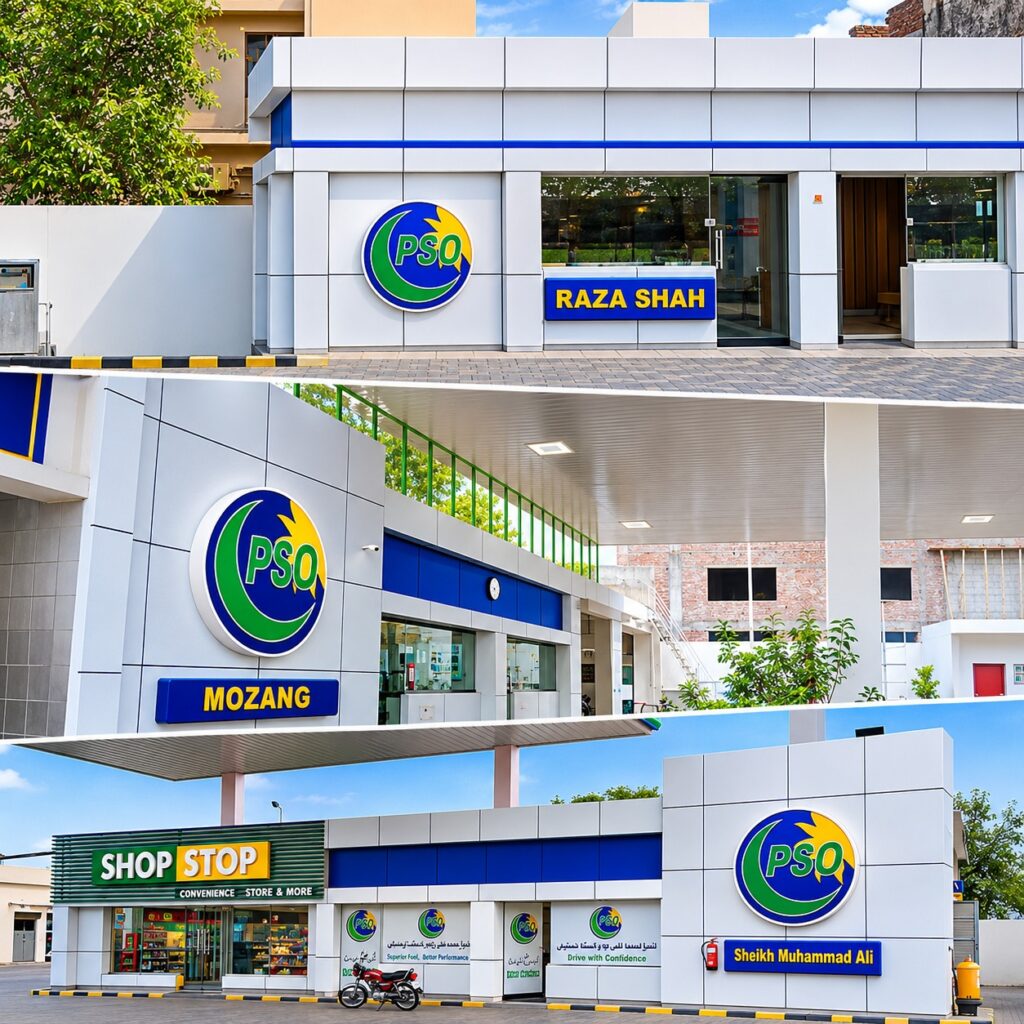
A commercial building’s exterior is more than an architectural feature. It represents a business’s identity, communicates professionalism, and creates the first impression for potential customers. Whether it is a corporate office, retail showroom, shopping mall, restaurant, or commercial plaza, an attractive exterior can significantly improve brand presentation and property appeal.
One of the most widely used solutions for modern commercial architecture is
Aluminium Composite Panel (ACP) cladding. With its contemporary appearance, lightweight construction, versatile finishes, and design flexibility, ACP exterior panels offer businesses an effective way to upgrade their building facades.
However, choosing the right ACP panels requires more than selecting an attractive colour or finish. Material specifications, fire performance, weather resistance, structural support, installation quality, and maintenance requirements all influence the long-term performance of an ACP cladding system.
For businesses planning a new commercial facade or renovating an existing property, understanding these considerations before installation can help prevent unnecessary expenses and technical problems.
In this comprehensive guide, Zafar Sons Advertiser explains what businesses should know before installing ACP exterior panels, including material selection, installation requirements, cost considerations, safety, and professional cladding solutions.
1. What Are ACP Exterior Panels?
Aluminium Composite Panels (ACP) are engineered building materials manufactured by bonding two thin aluminium sheets to a central core. This layered construction creates a relatively lightweight and rigid panel that can be fabricated into different shapes, sizes, and architectural designs.
ACP panels are commonly used in commercial construction and exterior branding because they provide a clean, modern finish while supporting creative architectural applications.
Common applications include:
- Commercial building facades
- Retail shopfronts and showrooms
- Corporate office exteriors
- Shopping malls and commercial plazas
- Building entrance features
- Architectural feature walls
- Exterior advertising and branding structures
For businesses, ACP cladding offers an opportunity to transform ordinary exterior walls into attractive architectural surfaces that complement their brand identity.
If you want to understand different building facade materials and their applications, explore our guide to
Cladding Services in Pakistan.
2. Choose the Right ACP Panel Quality
Not all ACP exterior panels offer the same performance. Differences in aluminium skin thickness, core composition, coating technology, and manufacturing standards can significantly affect their suitability for commercial applications.
Before purchasing ACP sheets, businesses should evaluate the following specifications.
Aluminium Skin Thickness
The thickness of the aluminium sheets affects panel rigidity, fabrication characteristics, and resistance to physical damage.
Businesses should confirm the actual aluminium skin thickness rather than relying exclusively on the overall panel thickness mentioned by a supplier.
Core Composition
The central core plays an important role in determining the panel’s fire performance and other material characteristics.
Different core compositions are available for different applications. For commercial buildings, selecting a panel with an appropriate and independently verified fire-performance classification is particularly important.
Surface Coating
The coating protects the aluminium surface and contributes to the panel’s appearance and resistance to environmental exposure.
PVDF (polyvinylidene fluoride) coatings are commonly specified for exterior applications because of their weathering and colour-retention properties. Polyester coatings may also be suitable for certain applications, depending on the manufacturer’s specifications.
Product Certifications
Before finalising an order, request:
- Technical product datasheets
- Aluminium thickness specifications
- Core composition details
- Coating specifications
- Independent fire-test reports
- Manufacturer warranties
A lower-priced ACP panel may appear economical initially, but inadequate specifications can increase maintenance expenses and replacement costs over time.
3. Prioritise Fire Safety Before Installing ACP Cladding
Fire safety is one of the most important considerations when selecting ACP exterior panels.
Different aluminium composite panels use different core materials, resulting in different levels of fire performance. Businesses should never assume that every ACP product offers the same fire resistance.
Common ACP core categories include:
Polyethylene (PE) Core: A polyethylene-based core that is generally combustible and requires careful consideration for building facade applications.
Fire-Retardant (FR) Core: A core formulated to improve fire performance compared with conventional polyethylene-based products. Actual performance depends on the product and its tested classification.
A2 Mineral Core: A mineral-based core designed to achieve a higher level of non-combustibility under applicable testing standards.
For commercial buildings, businesses should verify the exact panel’s fire classification through independent test documentation and ensure compliance with applicable building regulations.
Other important considerations include:
- Cavity barriers and fire stopping
- Appropriate facade insulation
- Secure panel fixing systems
- Correct joint and cavity detailing
- Fire-safety requirements for the complete facade assembly
Importantly, a fire-rated ACP panel alone does not guarantee that an entire building facade is fire-safe. The complete cladding system must be assessed by qualified facade engineers and fire-safety professionals.
4. Evaluate Weather Resistance and Environmental Conditions
Commercial building exteriors are continuously exposed to sunlight, rainfall, humidity, dust, pollution, and temperature variations.
In Lahore, where buildings experience intense summer temperatures, seasonal rainfall, and airborne dust, selecting suitable exterior-grade ACP panels is particularly important.
Businesses should consider four major performance factors.
UV Resistance: Exterior coatings should provide suitable resistance to ultraviolet exposure to minimise fading, discolouration, and surface deterioration.
Moisture Resistance: Properly manufactured panels, correctly designed joints, and appropriate sealants help minimise water penetration.
Temperature Stability: The complete ACP installation system should accommodate thermal expansion and contraction without damaging panels or connections.
Corrosion Resistance: Aluminium naturally develops a protective oxide layer, but coating quality, fabrication, and detailing remain important for long-term performance.
Selecting suitable exterior ACP sheets and following manufacturer installation guidelines can help preserve the appearance and performance of a commercial facade.
5. Select the Right ACP Design, Colour, and Finish
The appearance of a commercial building plays an important role in brand recognition and customer perception.
ACP exterior panels are available in different colours, textures, and finishes, allowing businesses to create customised architectural designs.
Popular ACP finishes include:
- Metallic Finish: Creates a contemporary and premium appearance.
- Wooden Finish: Provides a natural aesthetic without conventional timber cladding.
- Matte Finish: Offers a sophisticated and understated exterior.
- Glossy Finish: Creates a reflective surface that enhances visual prominence.
- Brushed Finish: Adds a textured, modern architectural appearance.
When choosing ACP colours, businesses should consider their existing brand identity, surrounding architecture, signage, lighting, and overall commercial design.
For example, a retail showroom may benefit from contrasting colours and illuminated signage, while a corporate office may require a more minimal and professional facade.
Combining ACP cladding with professional signage and exterior branding can create a more consistent commercial identity.
Explore our
branding solutions to learn more about customised business branding and visual identity services.
6. Professional ACP Sheet Installation Makes a Difference
Even high-quality ACP exterior panels can underperform when installed incorrectly. Professional installation is essential for achieving a visually consistent, structurally reliable, and weather-resistant facade.
A typical ACP cladding installation involves several stages.
Step 1: Site Inspection
The installation team evaluates the existing building structure, wall condition, dimensions, accessibility, and project requirements.
Step 2: Framework Preparation
An appropriate aluminium or steel support framework is designed and installed according to the project’s engineering requirements.
Step 3: Accurate Measurement
Detailed measurements help minimise material wastage and ensure consistent panel dimensions and alignment.
Step 4: Panel Fabrication
Panels are cut, routed, folded, and prepared according to the approved architectural design and manufacturer’s fabrication guidelines.
Step 5: Panel Fixing and Alignment
The panels are secured using an appropriate fixing system while maintaining consistent joints and alignment.
Step 6: Joint Sealing and Finishing
Compatible sealants, flashings, trims, and other detailing elements are installed as required to manage water penetration and accommodate movement.
Step 7: Final Quality Inspection
The completed installation should be checked for panel alignment, connections, surface finishing, drainage, and compliance with project specifications.
Choosing an experienced ACP cladding contractor can help reduce installation defects and improve the overall quality of the building exterior.
7. Consider Structural Support and Wind Load Requirements
One of the most overlooked aspects of ACP exterior panel installation is structural engineering.
Although ACP panels are relatively lightweight, the complete installation system must safely transfer wind pressure, suction, and other applicable loads to the building’s supporting structure.
Before installation, a qualified facade engineer should evaluate:
- Building height and geographical exposure
- Applicable wind pressure and suction
- Existing substrate strength
- Bracket spacing and framework design
- Panel dimensions and fixing arrangements
- Thermal expansion and contraction
- Movement joints and connection details
An improperly designed support system can result in panel deformation, loose connections, excessive vibration, or panel detachment.
For multi-storey commercial buildings, structural calculations and appropriate facade engineering documentation should be treated as essential project requirements.
8. Understand ACP Exterior Panel Installation Costs
The cost of ACP exterior panel installation depends on multiple technical and commercial factors. Businesses should avoid comparing quotations based only on the price per square foot.
The overall project cost may include:
Panel Specifications: Aluminium thickness, core composition, coating quality, and manufacturer.
Framework Requirements: Type of support structure, brackets, connections, and installation accessories.
Design Complexity: Custom patterns, curved surfaces, architectural features, and detailed fabrication.
Labour and Installation: Skilled workforce, installation time, and project complexity.
Site Accessibility: Building height, scaffolding, lifting equipment, and safety arrangements.
Finishing Requirements: Sealants, flashings, trims, and joint detailing.
Maintenance Considerations: Inspection, cleaning, and potential repair requirements.
A low-cost quotation may involve compromises in material specifications, framework quality, or workmanship.
Businesses should compare quotations using equivalent technical specifications and a clearly defined installation scope.
The objective should be long-term value rather than simply choosing the lowest initial price.
9. Understand ACP Panel Maintenance Requirements
ACP exterior panels are relatively easy to maintain, but regular inspection and appropriate cleaning are necessary to preserve their appearance.
A practical maintenance strategy should include:
- Cleaning surfaces with manufacturer-approved, non-abrasive cleaning solutions.
- Avoiding harsh chemicals that may damage protective coatings.
- Inspecting sealant joints for cracks or deterioration.
- Checking visible fixings and connections.
- Looking for scratches, dents, corrosion, and surface damage.
- Investigating signs of water leakage around joints and openings.
Businesses operating in busy commercial areas may require more frequent inspections because of dust accumulation and environmental exposure.
A well-maintained ACP facade helps preserve the professional appearance of a commercial property and allows minor issues to be identified before they become expensive repairs.
10. Choose an Experienced ACP Cladding and Exterior Branding Company
Selecting the right supplier and installation contractor can have a major impact on the success of an ACP cladding project.
Businesses should evaluate a company’s technical expertise, product sourcing, previous projects, installation capabilities, and after-installation support.
Before making a decision, ask the following questions:
- Does the company provide genuine ACP products with verifiable specifications?
- Can it provide technical datasheets and fire-performance documentation?
- Does it have experience with commercial exterior cladding?
- Can it show examples of completed projects?
- Does it follow appropriate installation and safety procedures?
- Are project quotations and timelines clearly defined?
- Is after-installation support available?
For businesses that also need exterior signage, illuminated displays, and commercial branding, working with a company that understands both facade design and advertising can make project coordination easier.
Why Consider Zafar Sons Advertiser for Your Commercial Branding Requirements?
Zafar Sons Advertiser provides customised advertising, signage, and branding solutions for businesses looking to strengthen their market presence.
Its services include 3D signage, backlit signage, neon signage, branding, pole streamers, and outdoor advertising. The company’s website also features completed signage and ACP cladding projects.
Businesses can explore the company’s
completed signage and branding projects to understand its range of commercial advertising and exterior branding work.
For more information about the company, visit
Zafar Sons Advertiser.
11. Common Mistakes Businesses Should Avoid
Before investing in ACP exterior panels, businesses should understand the mistakes that can affect the safety, appearance, and long-term performance of a building facade.
Choosing Panels Based Only on Price: Low-cost materials may compromise coating quality, core specifications, and durability.
Ignoring Fire Safety: Selecting ACP panels without checking their tested fire classification can create serious safety and compliance concerns.
Overlooking Structural Engineering: An improperly designed framework can affect the stability and performance of the complete cladding system.
Hiring Inexperienced Installers: Poor fabrication, inaccurate measurements, and incorrect joint sealing can result in installation defects.
Ignoring Thermal Movement: Inadequate expansion joints and incorrect fixing details can contribute to panel deformation and connection problems.
Neglecting Maintenance: Failing to inspect sealants, joints, and visible connections can allow minor issues to develop into expensive repairs.
Not Checking Product Documentation: Businesses should verify product specifications and testing certificates instead of relying entirely on verbal assurances.
Avoiding these mistakes helps businesses make informed decisions and achieve better results from their ACP exterior panel investment.
Benefits of ACP Exterior Panels for Modern Businesses
When correctly specified, engineered, and installed, ACP exterior panels offer several advantages for commercial properties.
Modern Architectural Appearance: Create clean, attractive, and contemporary building facades.
Design Flexibility: Support different colours, finishes, patterns, and architectural concepts.
Lightweight Construction: Provide a relatively lightweight cladding option compared with many conventional facade materials.
Brand Enhancement: Help businesses create distinctive and professional exterior identities.
Maintenance Convenience: Require relatively straightforward cleaning and routine inspection.
Versatile Applications: Suitable for various retail, corporate, hospitality, and commercial environments.
However, these benefits depend on selecting the correct product and installation system for the specific building requirements.
Conclusion: Make an Informed Decision Before Installing ACP Exterior Panels
Installing ACP exterior panels is an important investment for businesses looking to improve their commercial property’s appearance, functionality, and brand presentation.
However, successful ACP cladding requires more than attractive designs and quality materials. Fire safety, weather resistance, structural engineering, framework design, professional installation, and ongoing maintenance all contribute to the overall performance of the facade.
Before starting an ACP exterior panel project, businesses should prioritise verified material specifications, appropriate fire classifications, qualified technical guidance, and professional installation.
A carefully planned ACP installation can transform an ordinary commercial building into a modern architectural space while supporting a stronger and more professional brand image.
Planning to upgrade your commercial building exterior?
Zafar Sons Advertiser helps businesses strengthen their visual presence through customised signage, advertising, and branding solutions.
Visit
https://zafarsonsad.com/ to explore our services and discuss your commercial branding requirements.
You can also
contact Zafar Sons Advertiser to discuss your project